I first learned about the art of Wabi Sabi at a fine dining restaurant in New York City called Daniel. When you arrive at the table, each guest is presented with a plate that has been intentionally broken and then repaired with delicate gold accents. The cracks aren’t hidden. They’re highlighted. The plate isn’t trying to return to what it once was... it’s something new, something more meaningful because of what it’s been through.
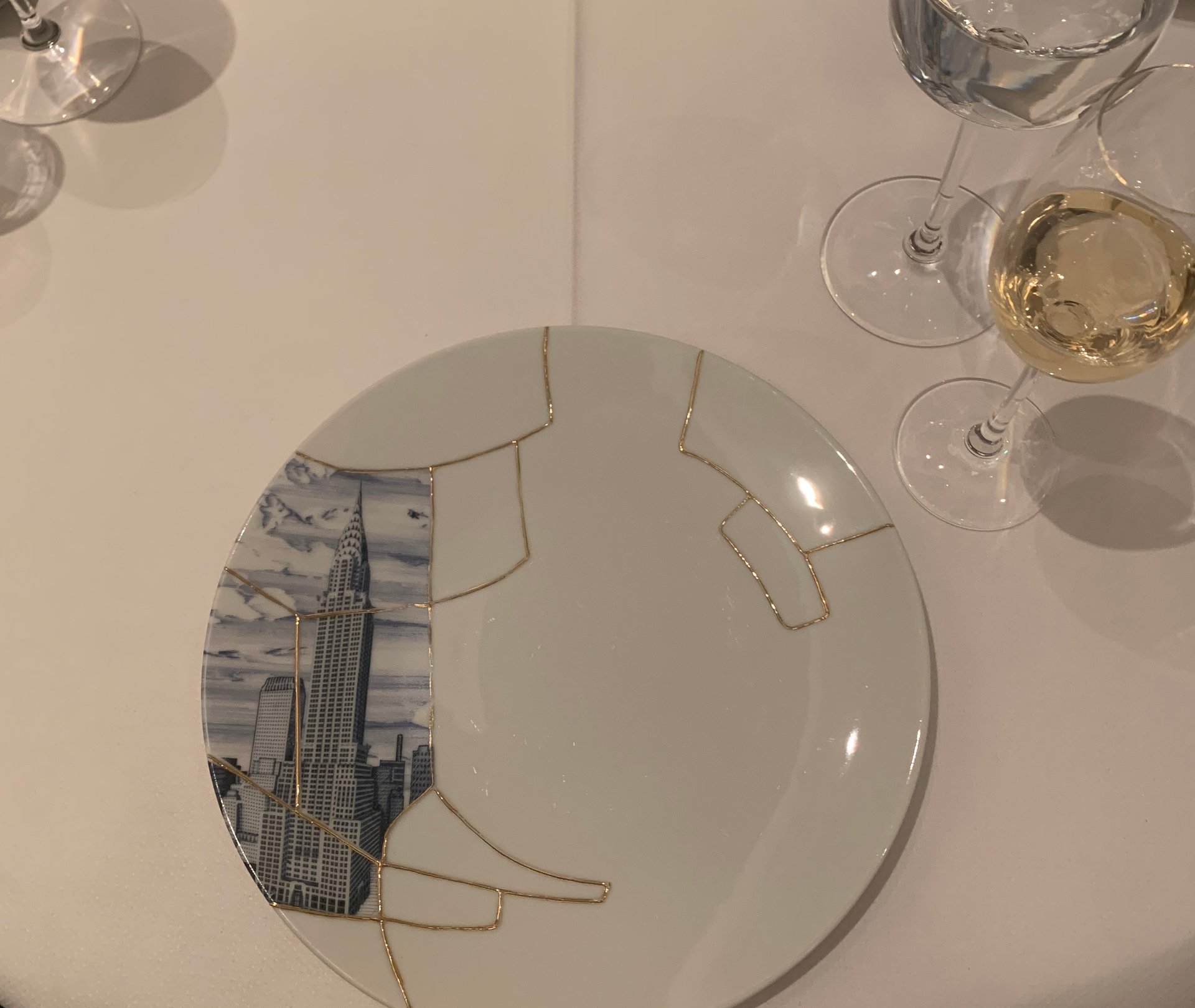
That experience stayed with me.
Recently, I was reminded of this concept while reading Hidden Potential by Adam Grant, and it sparked a realization that feels especially relevant to homeownership and residential real estate in the Milwaukee area.
Wabi Sabi is a Japanese philosophy centered on finding beauty in imperfection, impermanence, and authenticity. In a world dominated by perfectly staged homes, filtered Instagram feeds, and “Pinterest-perfect” renovations, Wabi Sabi offers a refreshing alternative... one that feels far more honest.
And honestly, it fits Milwaukee real estate beautifully.
If you look at neighborhoods like Whitefish Bay, Shorewood, Glendale, Bay View, and Wauwatosa, you’ll notice a common thread. These homes weren’t built last year. Many were constructed in the late 1800s through the mid-1900s, with a large concentration between the early 1900s and 1960s. These houses have character. They’ve evolved. They’ve been lived in.
Our own home in Fox Point was built in the 1950s and remodeled in the 1970s. We purchased it from the original homeowners, which meant inheriting not just a house, but decades of history.
When we first moved in, there was one feature I truly disliked... a stained glass window between the kitchen and the living room. It felt dated. Out of place. I had dreams of ripping it out and replacing it with something more modern. I was embarrassed when people would come over and see it...I'd say "yea, our plans are to rip that out".
As many of my clients know, I always recommend living in a home for a while... marinating in it... before making major changes. Funny enough, I had to take my own advice.
That stained glass window still stands.
Over time, I grew to absolutely love it. The colors subtly influenced the palette of our home. Without realizing it, that once-dated detail became my design muse. It isn’t perfect. It’s slightly off-center... something my kitchen remodeler was quick to point out. He even mentioned Wabi-Sabi while standing there.
And he was right.
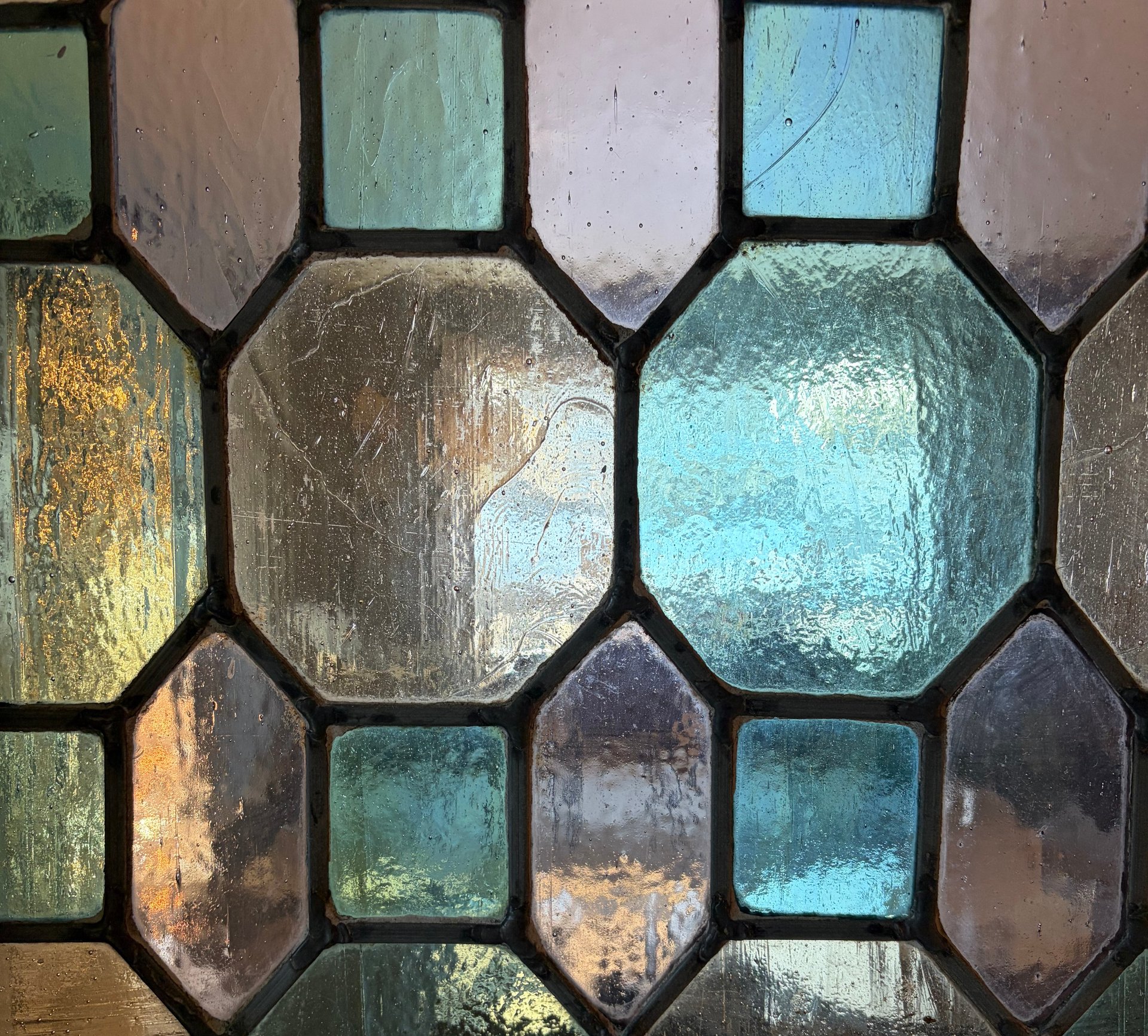
The window isn’t flawless. It shows its age. But that imperfection is exactly what makes it special. It tells a story. One you couldn’t recreate if you tried. Including a story of a nerf football hitting it and adding a crack to it. (Mom Life)
This is something I see buyers struggle with all the time, especially in competitive markets like Whitefish Bay, Shorewood, and Wauwatosa, where inventory is limited and homes move quickly. Buyers search for the perfect house. The one with no quirks. No compromises. No history.
But most homes worth loving aren’t perfect. Read that again!
Wabi-Sabi invites us to change the question from “What’s wrong with this house?” to “What’s possible here?” It encourages us to see charm instead of flaws, history instead of inconvenience, and opportunity instead of disappointment.
If you’re feeling discouraged in your home search, whether in Glendale, Bay View, or anywhere across the Milwaukee area, consider this your permission slip to let go of perfection. The home you fall in love with may not check every box on day one. But over time, you may find yourself loving the very details you once wanted to change.
Sometimes, the cracks are where the beauty lives.